Nevertheless, no matter how dominant capital may be, fundamentals still matter. No amount of capital power can reverse the underlying trend.
Supply: Mica ore inventories depleting, South American supply growth delayed
Domestically, several Jiangxi lithium salt producers undergoing license renewal built up ore inventories in advance, but most stockpiles will only last until around October. Afterwards, they will have to rely on purchased ores or toll processing operations. Jiangxi’s lithium carbonate output will likely be impacted. On the import side, rising ore imports from Zimbabwe were within market expectations. The surprise factor lies in South America. Chile’s exports have remained low since May. In September, Chile shipped only 13,500 tonnes of lithium carbonate to China, down 5.6% month-on-month.
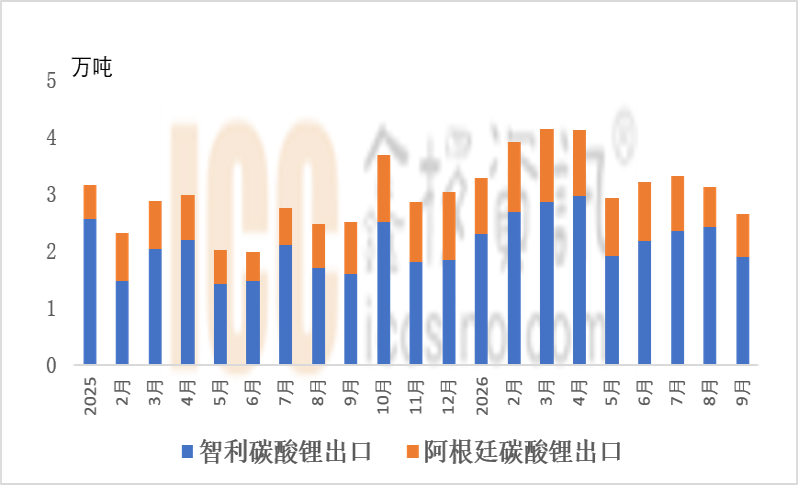
It is foreseeable that China’s lithium carbonate imports will likely stay at a low range of 25,000–30,000 tonnes per month in Q4. Combined with domestic monthly output of 125,000–130,000 tonnes, there will still be a monthly supply gap of nearly 10,000 tonnes. The inventory drawdown trend remains intact, and the probability of three inventory restocks within the year is extremely low. The logic that falling warehouse receipts will tighten spot supply still holds.
Demand: Energy storage enters the cost "sweet spot"
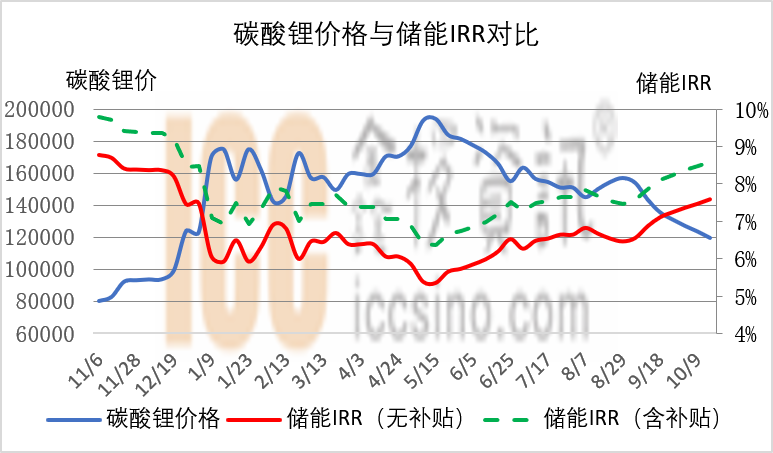
On the demand side, recent new energy vehicle data has been weak, yet energy storage has long been the growth driver for 2026 lithium demand. At lithium carbonate prices above RMB 150,000/tonne, some domestic energy storage projects would be postponed. Now with lithium carbonate at RMB 110,000/tonne, even without capacity subsidies, project IRR can steadily exceed 7%. Expectations for energy storage demand will gradually recover. Meanwhile, at the current lithium carbonate price of RMB 110,000/tonne, the rollout of sodium-ion batteries will likely slow down.
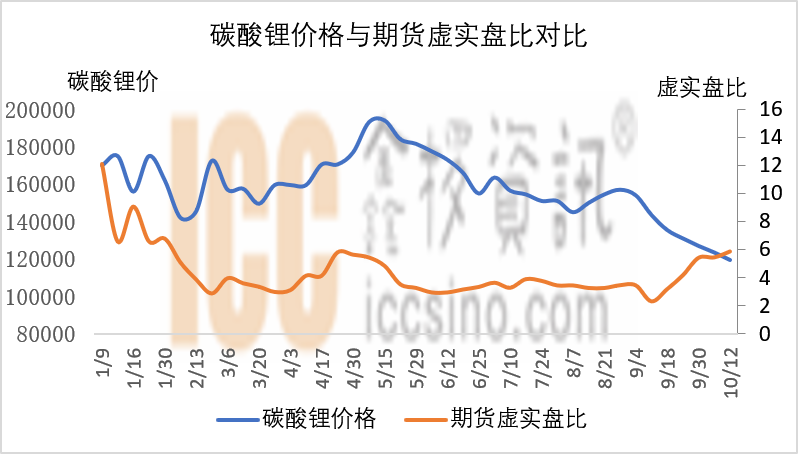
Overall, lithium carbonate prices are clearly oversold at present, although the short-term technical picture remains bearish. Tight spot supply in peak season has not yet materialized. A wait-and-see stance is recommended for the near term; investors can watch the short-squeeze among short sellers unfold later.